

My Insights and Experiences Shared

My insights
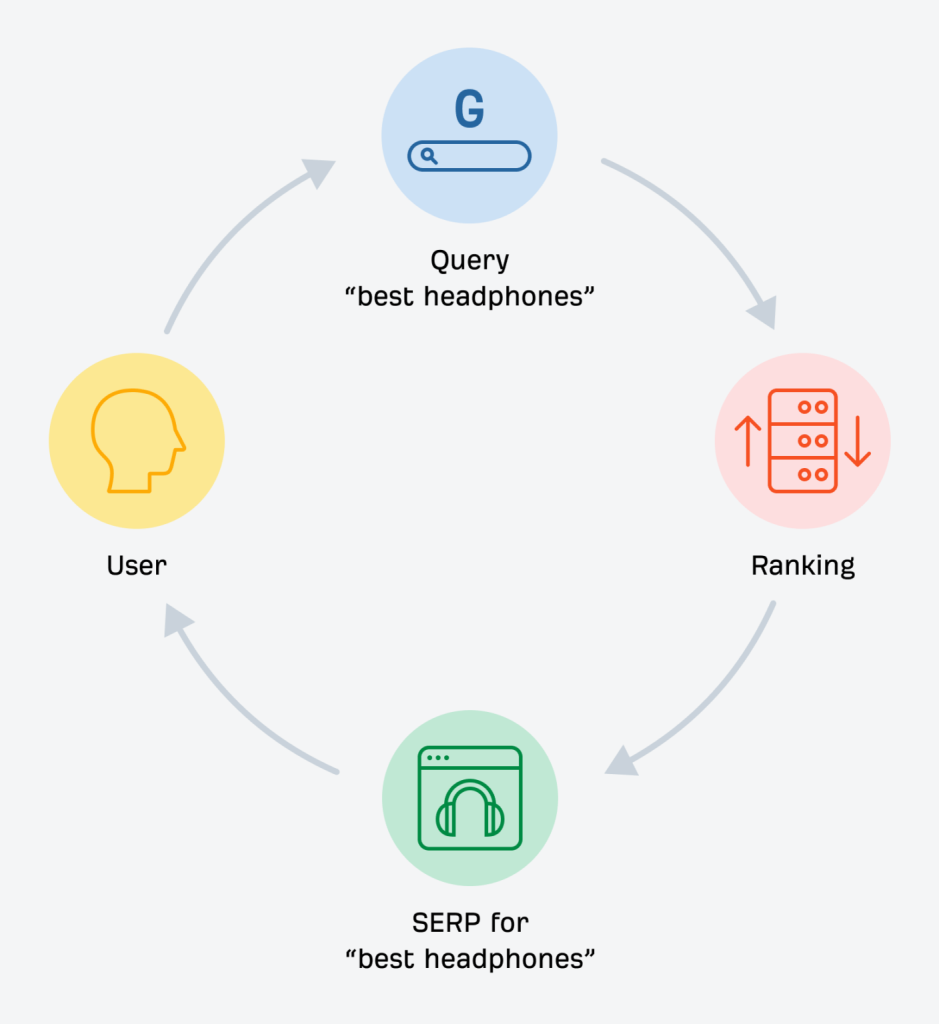
How search engines work
Search engines are designed to help you find information on the internet. They use two main components: Search index. A digital library of information about web pages. Search algorithms. Programs that match and rank results from the index based on your search query. Search engines work in three phases: Crawling: Web crawlers (or spiders) visit and [...]

How SEO for Hotel Industry Helps Drive Direct Bookings
Local SEO, which includes Google Maps and any 'hotels near me' search queries. • Update your Google Business Profile with offers, pictures, and relevant details. • Ensure the NAP is consistent on all platforms. • Localized landing pages should be crafted, for example, "Boutique Stay near City Palace" or "Luxury Hotel in Jaipur." The booking engine paired with [...]

Website Structure for SEO: A Blueprint for Better Rankings
Creating an effective website structure for SEO is essential for achieving higher search rankings, improving user experience, and increasing conversion rates. A well-organized SEO site structure allows search engines to crawl and index your website efficiently while helping users navigate with ease. With search engines constantly refining their algorithms to prioritize user-friendly, well-structured websites, businesses [...]

Digital experts get multiple job offers
Branding requires mapping a series of steps in the customer journey, which start from the point of consideration from a potential buyer and goes all the way to ensure that once someone purchases the product, he is serviced when there is a problem. This is where customer service as a brand building opportunity comes in. […]

How to make a website using WordPress
Branding requires mapping a series of steps in the customer journey, which start from the point of consideration from a potential buyer and goes all the way to ensure that once someone purchases the product, he is serviced when there is a problem. This is where customer service as a brand building opportunity comes in. […]

Building brands through customer service
Branding requires mapping a series of steps in the customer journey, which start from the point of consideration from a potential buyer and goes all the way to ensure that once someone purchases the product, he is serviced when there is a problem. This is where customer service as a brand building opportunity comes in. […]
Digital experts get multiple job offers
Branding requires mapping a series of steps in the customer journey, which start from the point of consideration from a potential buyer and goes all the way to ensure that once someone purchases the product, he is serviced when there is a problem. This is where customer service as a brand building opportunity comes in. […]
FREQUENTLY ASKED QUESTIONS
What is SEO?
SEO is the process of optimizing your website to appeal to search engines and users. SEO helps you rank higher in search engine results pages (SERPs) and find more users who would be interested in your business.
Why is SEO important?
There are two main reasons why SEO is important:
- People use Google to find all kinds of things, including products, services, and any helpful information about them. That creates search demand, which many websites compete for. The outcome of effective SEO is outranking the competition to take advantage of that search demand.
- Unlike online advertising, the traffic you get through SEO is free.
Overall, SEO benefits include free, sustainable, and passive traffic to your website month after month.
What are search engine results pages (SERPs)?
SERPs are the pages that Google shows whenever a user enters a query into the search bar. There are many different parts of the SERPs to target.
Google creates SERPs to give users the best experience possible, and as an SEO expert-in-training, it’s your job to know how to rank amongst them so your website appears at the top.
Do I need SEO?
Yes. If you have a website for your company and you want to convert searchers, you must optimize your website for search engine algorithms.
Any company with a website needs SEO to rank and give your users an enjoyable experience. Even if your goal isn’t ranking (even though it should be), you can use SEO optimizations to create a useful, interactive website that helps users learn more about your company and products.
How does SEO work?
SEO works by incorporating different strategies that target search engine algorithms. Google, for example, uses over 200 factors to rank websites. SEO helps you target those different factors to the best of your ability and gives your site a better chance at ranking for keywords.
SEO is also meant to help users find, browse, and convert on your site, which all reflects well to Google and other search engines. As you make changes to your site, you can track different metrics, like:
- Traffic
- Clicks
- Conversions
- Session time
- Bounce rate
All of these can tell you what pages are working and which aren’t, helping you optimize your site further.
How long does SEO take?
It can take anywhere from six months to a year to start seeing SEO results as long as you don’t stop your SEO efforts. Since SEO is an ongoing process, you should think of it as an investment. You put in a lot of work and budget upfront to get your site up to speed, and then you can see more revenue return over time.
What SEO factors affect rankings?
While no search engine algorithm is completely public, there are a few different factors that we suspect impact rankings, like:
What are the different types of traffic?
The two types of traffic are paid and organic. Paid traffic is what it sounds like — sponsored content that businesses pay for. These results are at the top of the SERPs with a tag distinguishing them:
Organic traffic – the main target of SEO — comes unpaid from Google’s algorithm.
What are the types of SEO?
There are five types of SEO — on page, off page, technical, enterprise, and local. These types of SEO encompass all the techniques and strategies that exist to improve your website.
Here’s a brief definition of each:
- On page: Changes you make on your website to improve SEO.
- Off page: Changes outside of your website that improve SEO.
- Technical: Backend technical changes that impact SEO.
- Enterprise: SEO focused on large companies that span a region or nation.
- Local: SEO focused on companies that only serve a specific area.
How do I find keywords?
To find keywords, you can look at the SERPs, use a tool, or view your competitor’s websites.
Looking at the SERPs, you can start with a base term and use the “People Also Ask” section to see what other questions and terms are popular. This tactic helps you find relevant related terms and ideas for your page.
Tools like Keyword Generator, Soovle, Keywords Everywhere and Ahrefs can help you find related keywords for your page. And, with Ahrefs, you can analyze competitor sites and see what keywords they are ranking for.

